
Exploring Trust Wallet’s network fees: a user’s perspective Trust Wallet Fees: A User's Honest Take
Using Trust Wallet for months nowExploring Trust Wallet’s network fees: a user’s perspective, one thing became clear pretty quickly — network fees are not something you can ignore. Every time I send tokens, swap across chains, or interact with a DeFi app, a small fee disappears into thin air. Understanding what goes on behind those numbers has shaped how I approach every transaction.
Different blockchains charge very different fees. Sending BNB on Binance Chain costs pennies,while moving USDT on Ethereum can easily eat up five dollars or more. The same token can cost entirely different amounts depending on which network you choose. Picking the right chain matters more than most people realizeExploring Trust Wallet’s network fees: a user’s perspective Trust Wallet Fees: A User's Honest Take,especially when dealing with smaller balances where fees could swallow a meaningful chunk of the transfer.
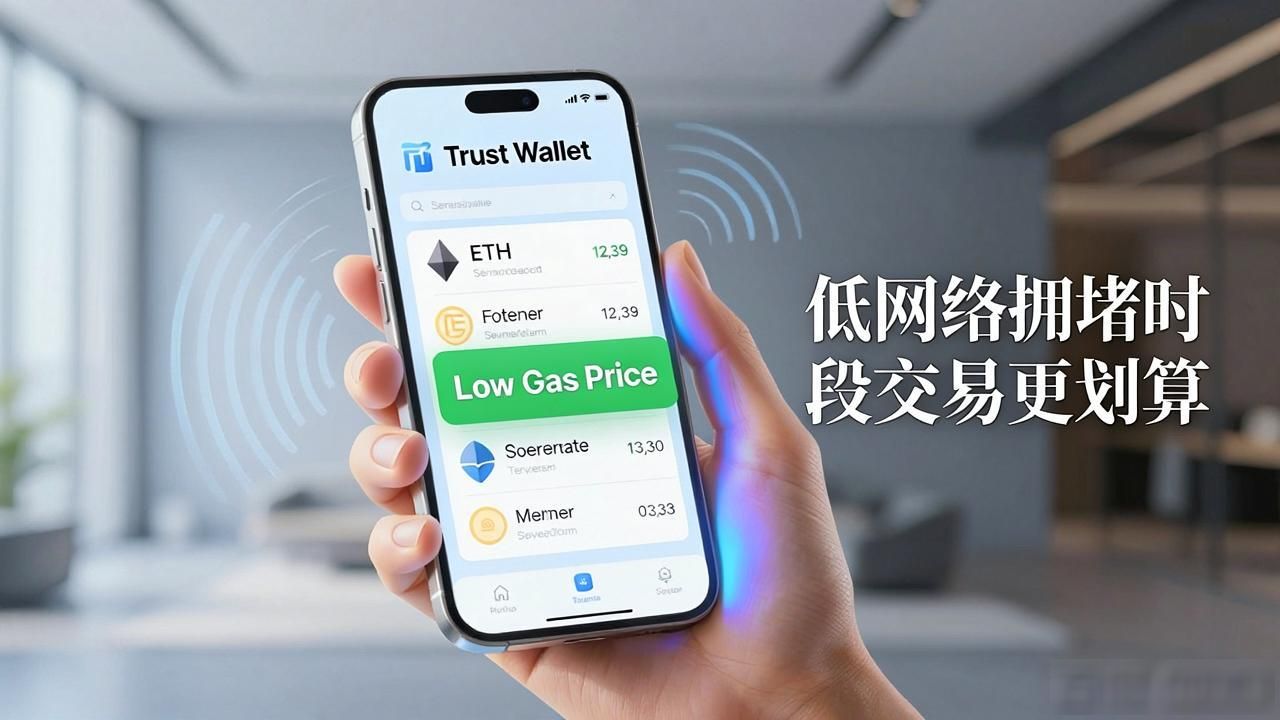
I have learned to time my transactions around periods of lower network congestion. Gas prices on Ethereum spike during peak trading hours, but they drop noticeably on weekends or during off-peak hours. I also check fee estimators built into the wallet before confirming anything. Sometimes waiting just thirty minutes saves enough to justify the delay, making a difference that adds up over time.
One feature I genuinely appreciate is how Trust Wallet displays estimated gas fees upfront. You see the breakdown before approving any transaction, which removes that anxiety of clicking send and hoping for the best. The interface keeps things straightforward without overwhelming you with technical jargon, making it accessible even for people new to crypto.
